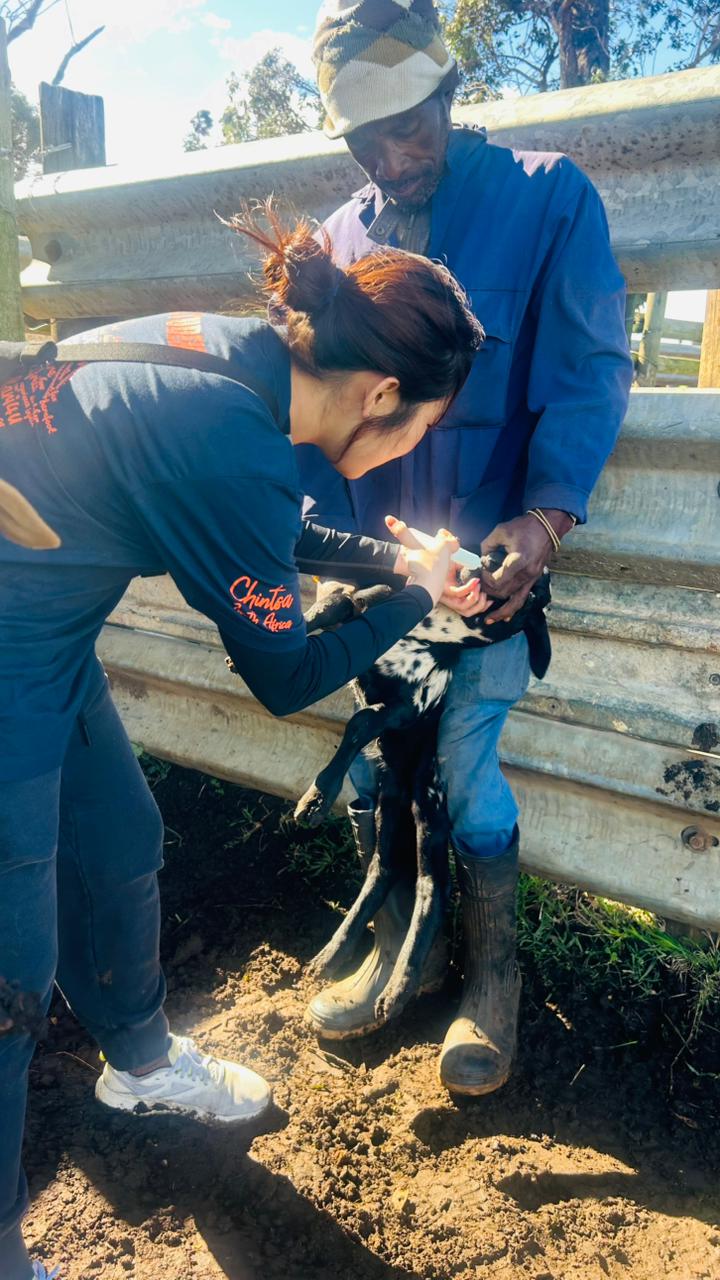
For pre-vet & animal science students
Real animal hours. Real field context.
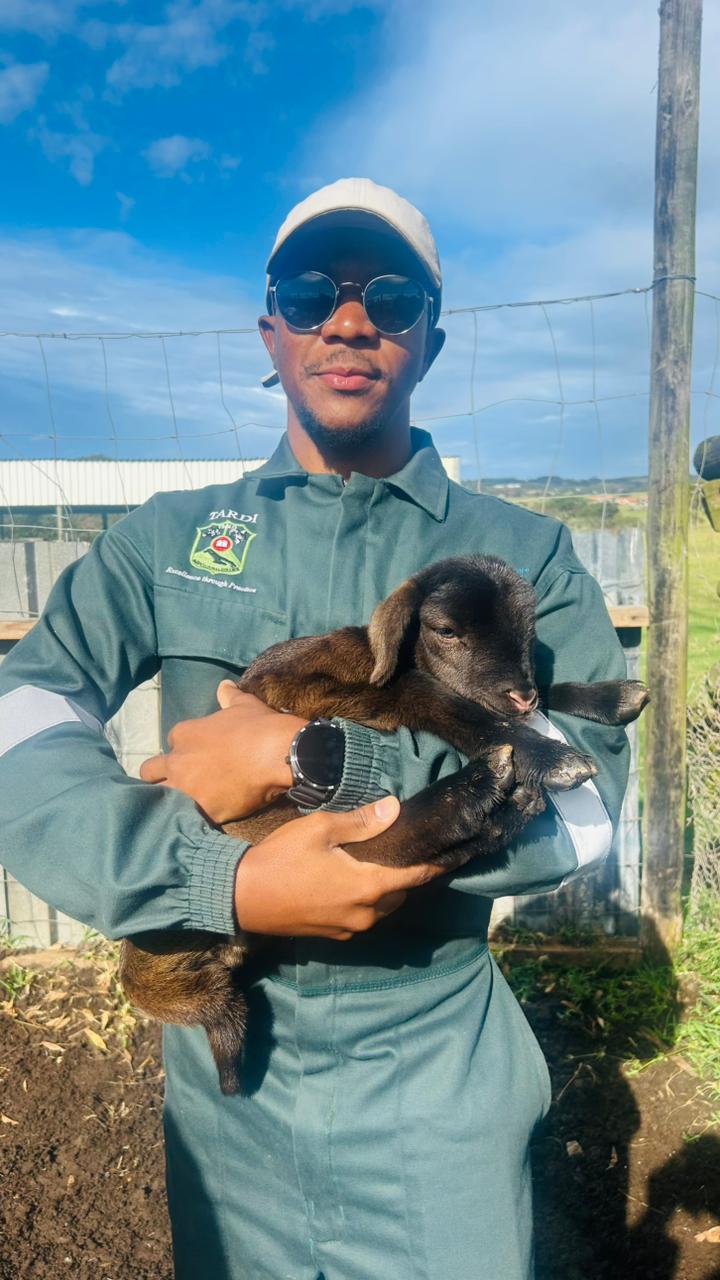
Hands-on animal care activities across livestock, companion animals, reptiles and aquatics — guided participation you can describe honestly in applications.
Guided handling · Documented participation · Multiple species
Species range that matters
Cattle and livestock field days, companion-animal outreach, and daily reptile facility routines — breadth you don’t get shadowing one clinic.
Taught before you touch
Staff demonstrate technique, then guide your participation. It’s hands-on exposure in a real animal-care context — not formal veterinary training, and we’re clear about that difference.
Documented, not vague
Field notes plus a programme guide that records what you actually took part in — concrete material for personal statements and interviews.
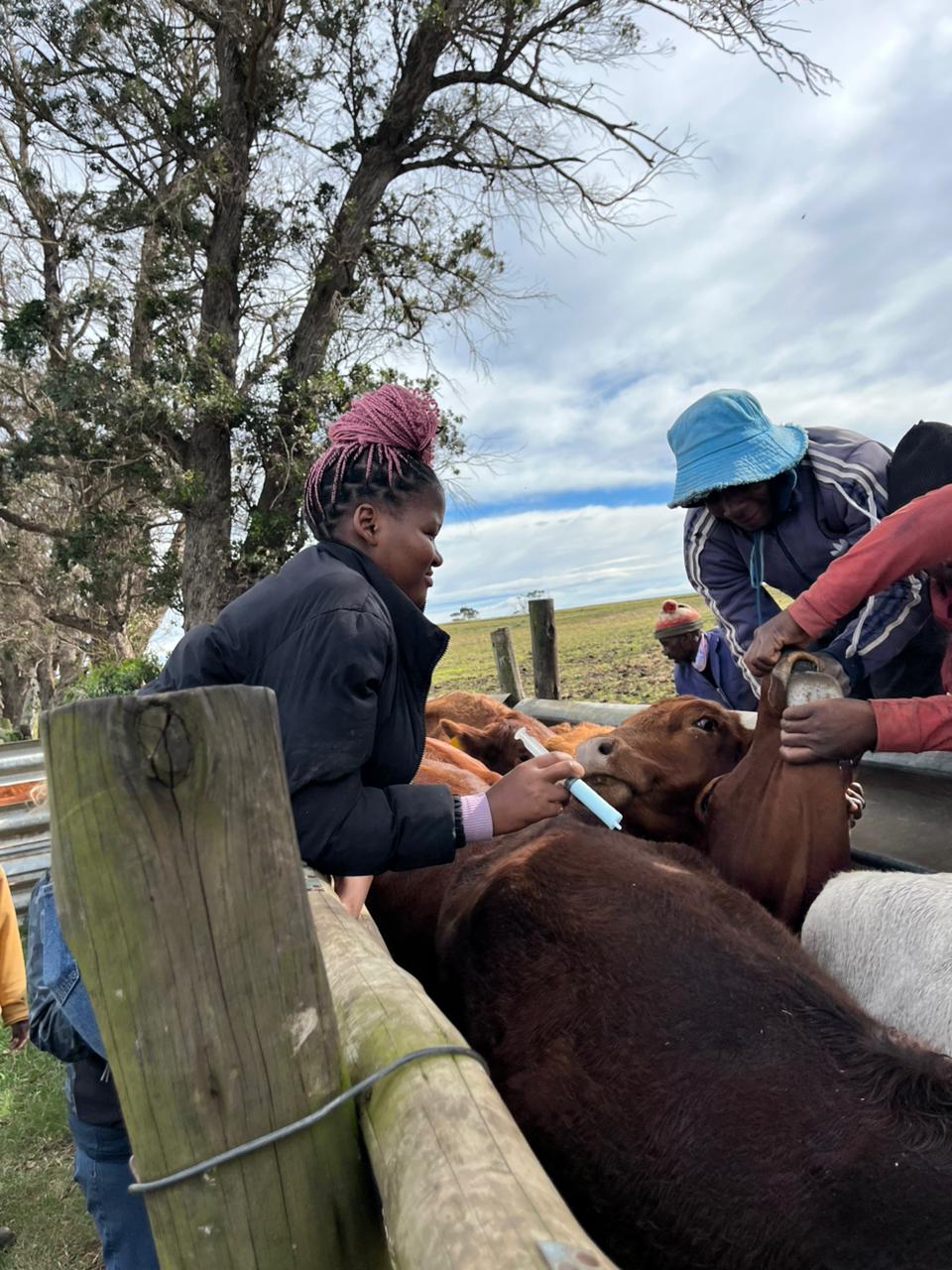
Honest experience, honestly described
Universities differ in what they count. The Student Syllabus lists exactly which activities run and what your participation looks like, so you can check it against your programme’s requirements before you apply.
Request the Student Syllabus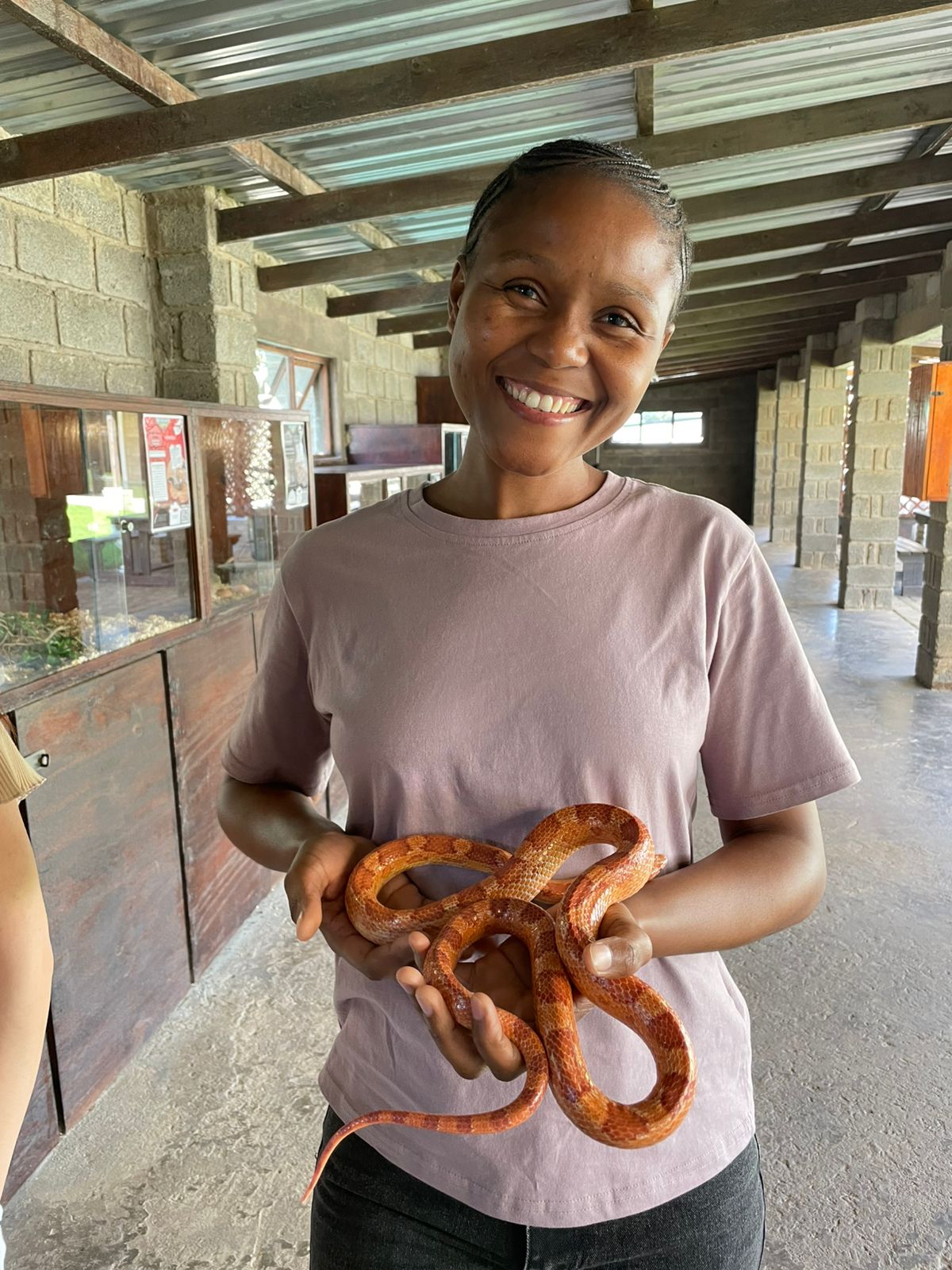
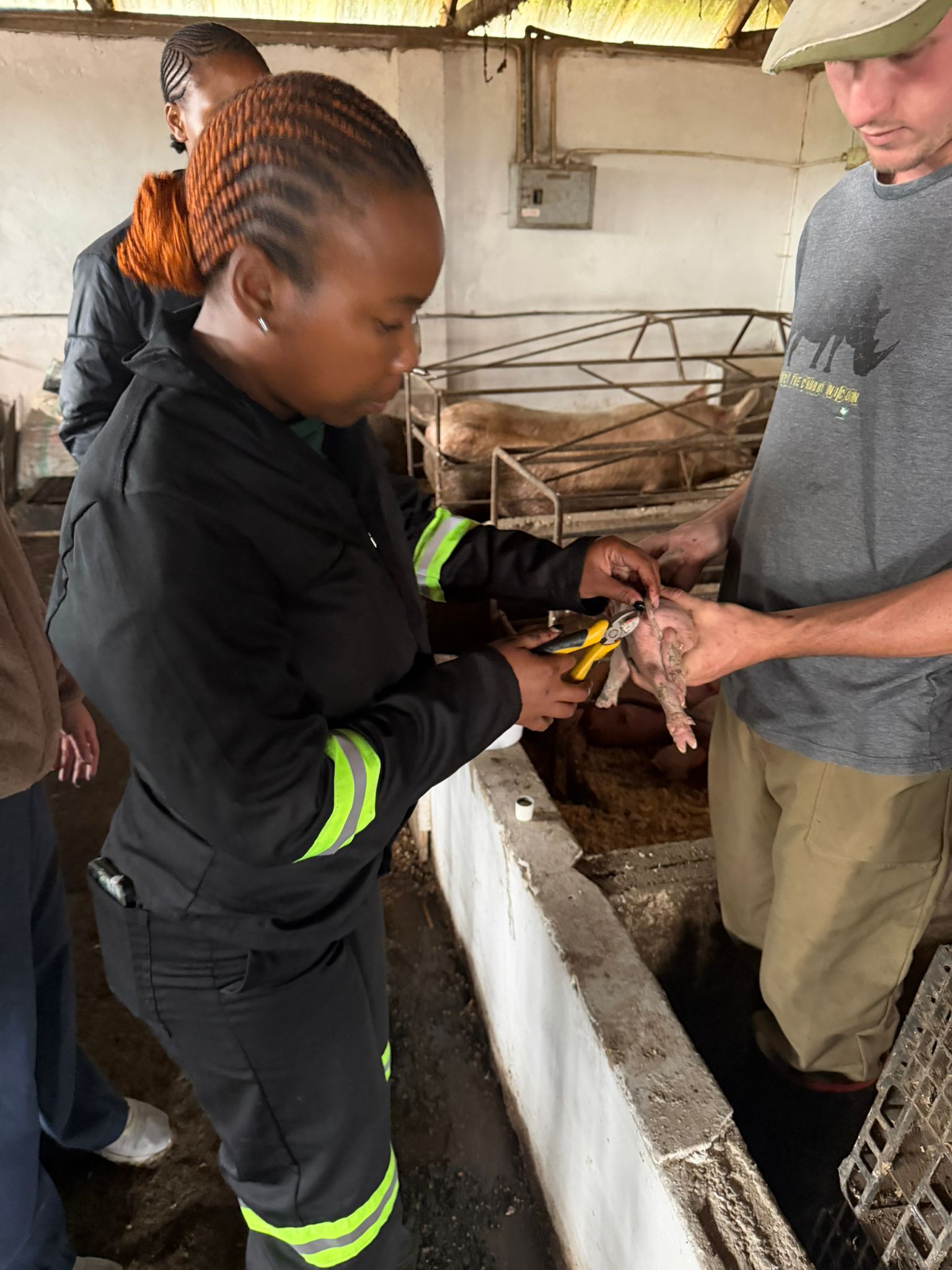
Straight answers
Will this count toward vet school requirements?
Requirements differ by university and country. The syllabus lists exactly what you’ll do — activity by activity — so you can verify it against your programme’s expectations before committing.
Is this clinical or veterinary work?
No. It is guided animal care and field exposure — husbandry, handling, outreach and facility routines. We don’t present it as veterinary or clinical training.
Which animals will I work with?
Cattle, sheep and pigs on livestock days; dogs and companion animals on outreach days; snakes, geckos and turtles at the reptile facility. The mix varies by season and operations.
Check it against your requirements.
Request the Student Syllabus — every activity listed, so you know exactly what you can claim before you spend a cent.
Request the Student Syllabus