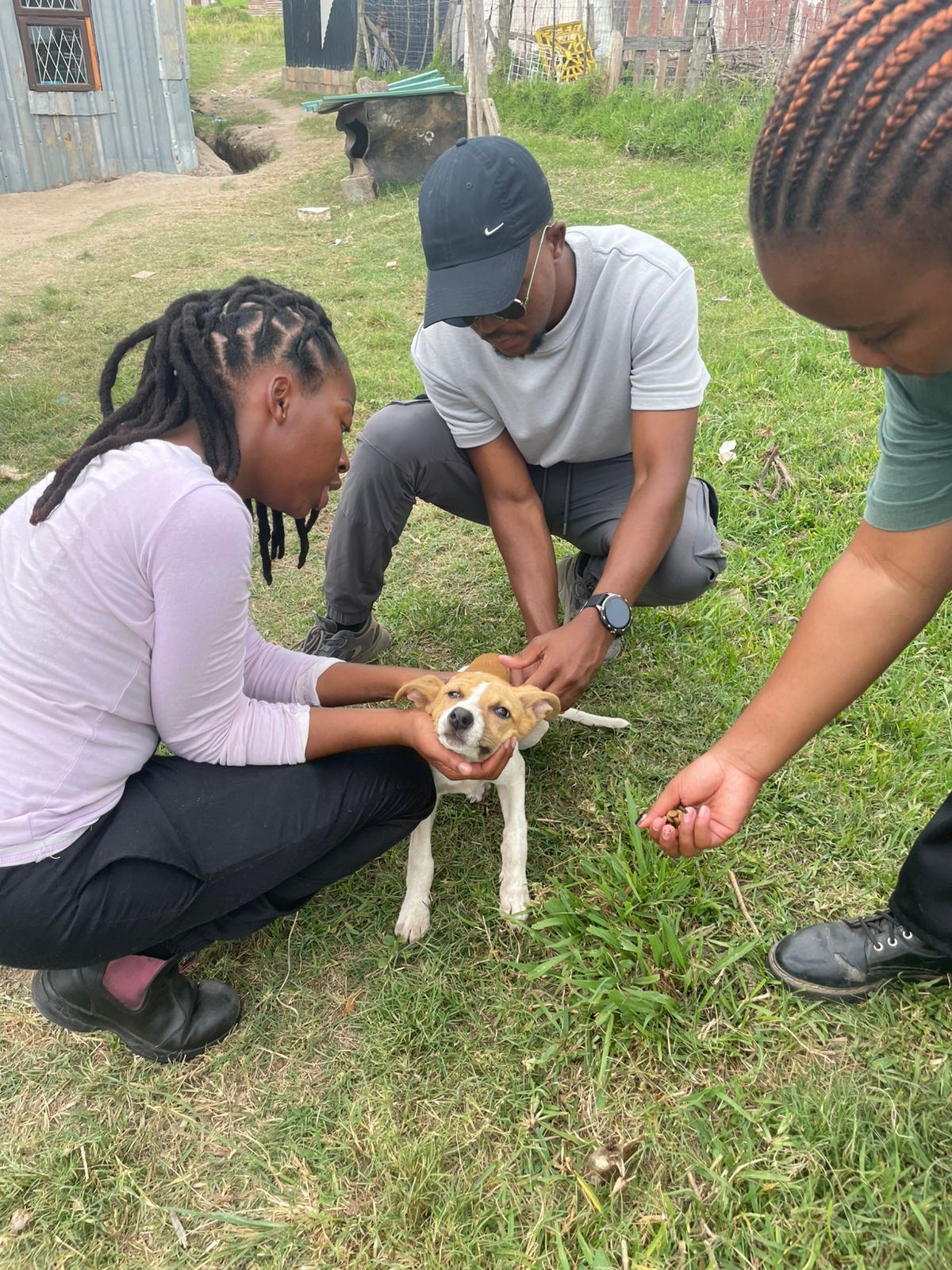
Rural animal outreach
Join outreach days in surrounding rural communities — health checks and basic care for dogs and other companion animals, guided by the local team.
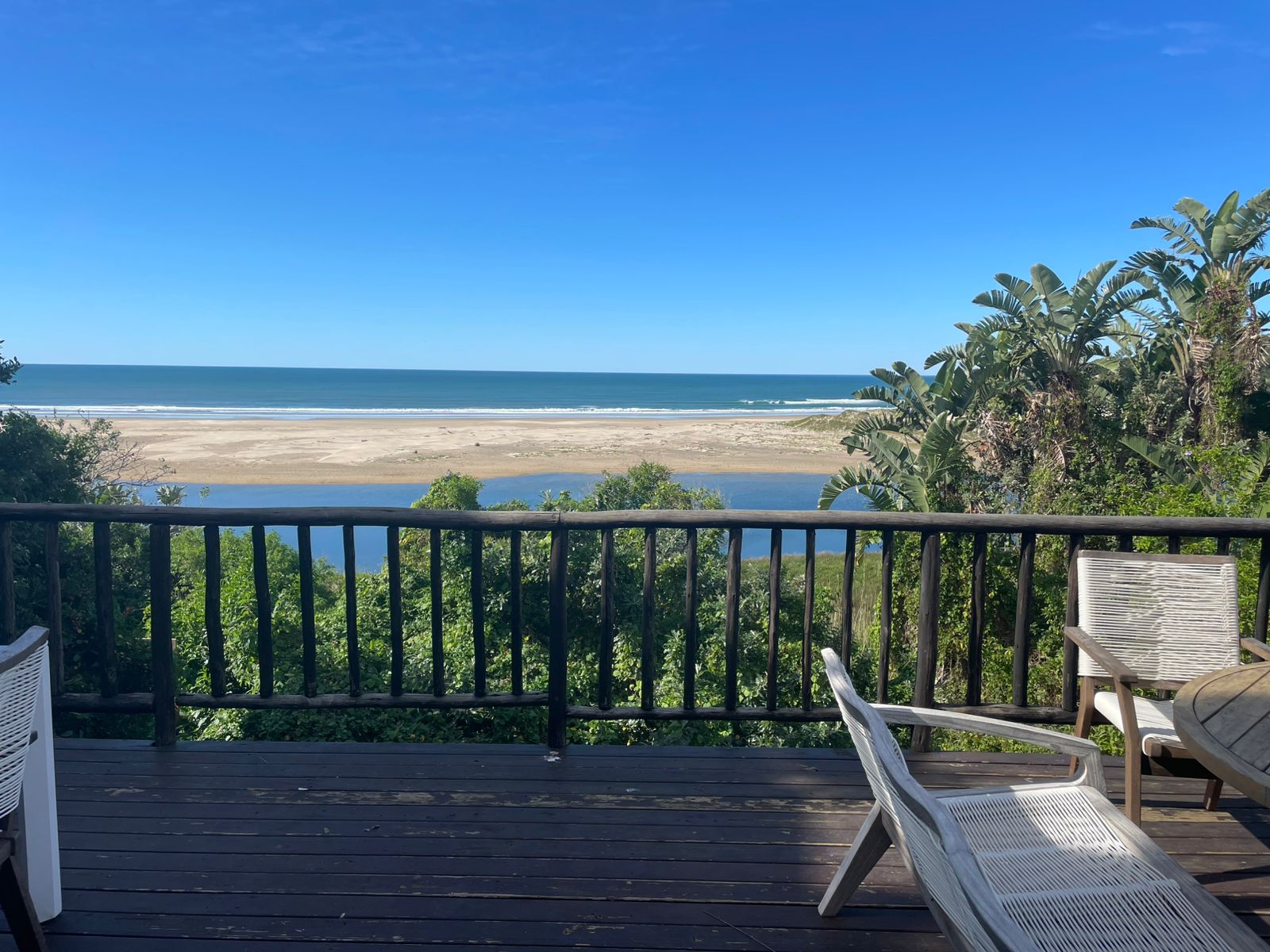
Wild Coast · Eastern Cape · South Africa
Help animals in the field. Live by the Wild Coast. A meaningful South African animal expedition — animal impact by day, Wild Coast by evening.
Guided participation · Structured programme · Not a safari holiday
What you actually do
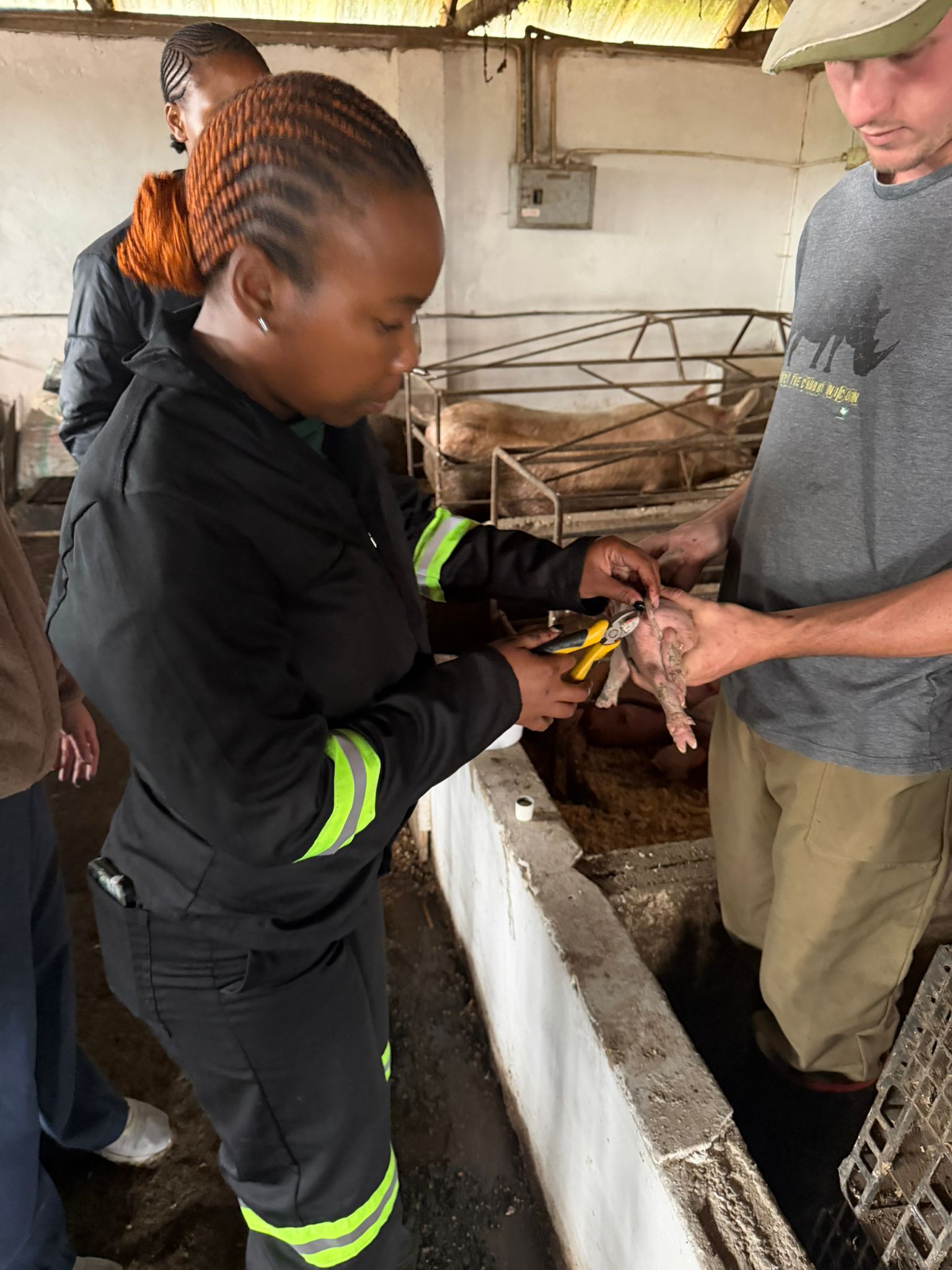
This is a working animal-impact programme, not a viewing holiday. You take part in hands-on animal care activities alongside local operations — from rural outreach to wildlife field operations — with guided participation throughout.
The programme
The expedition is built from concrete activity blocks — real work in a field context, not vague volunteering.
Join outreach days in surrounding rural communities — health checks and basic care for dogs and other companion animals, guided by the local team.
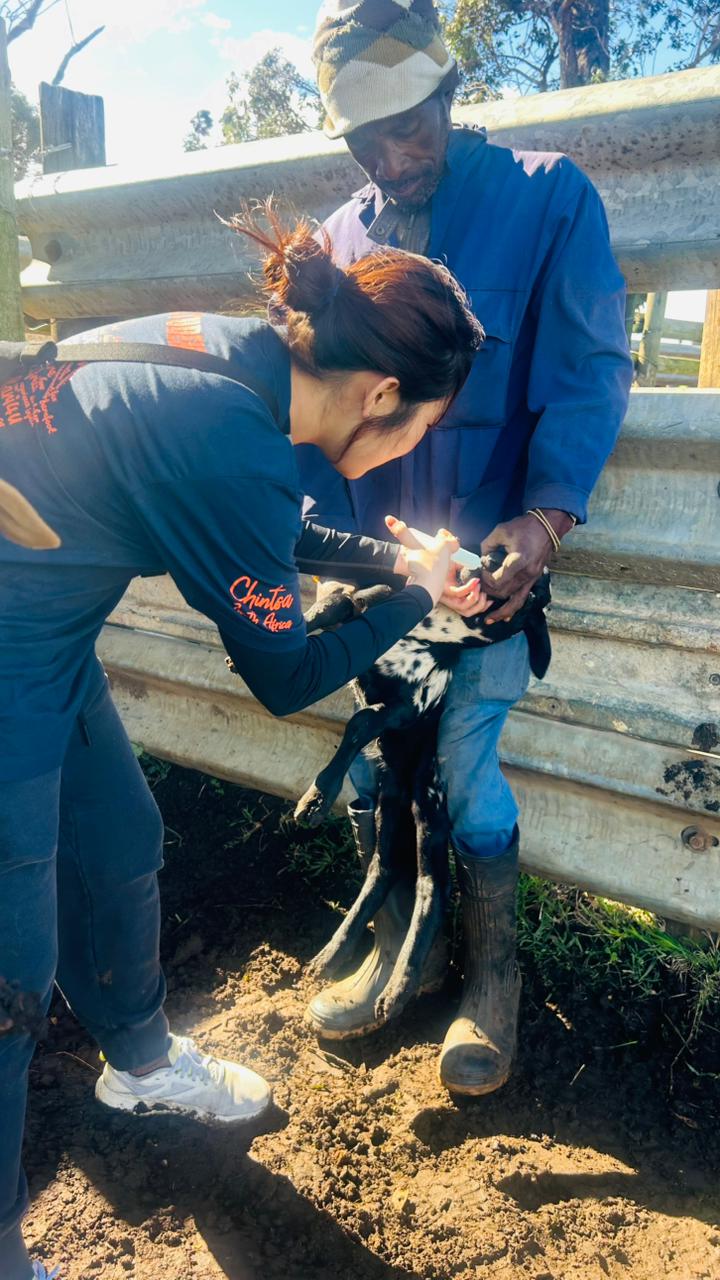
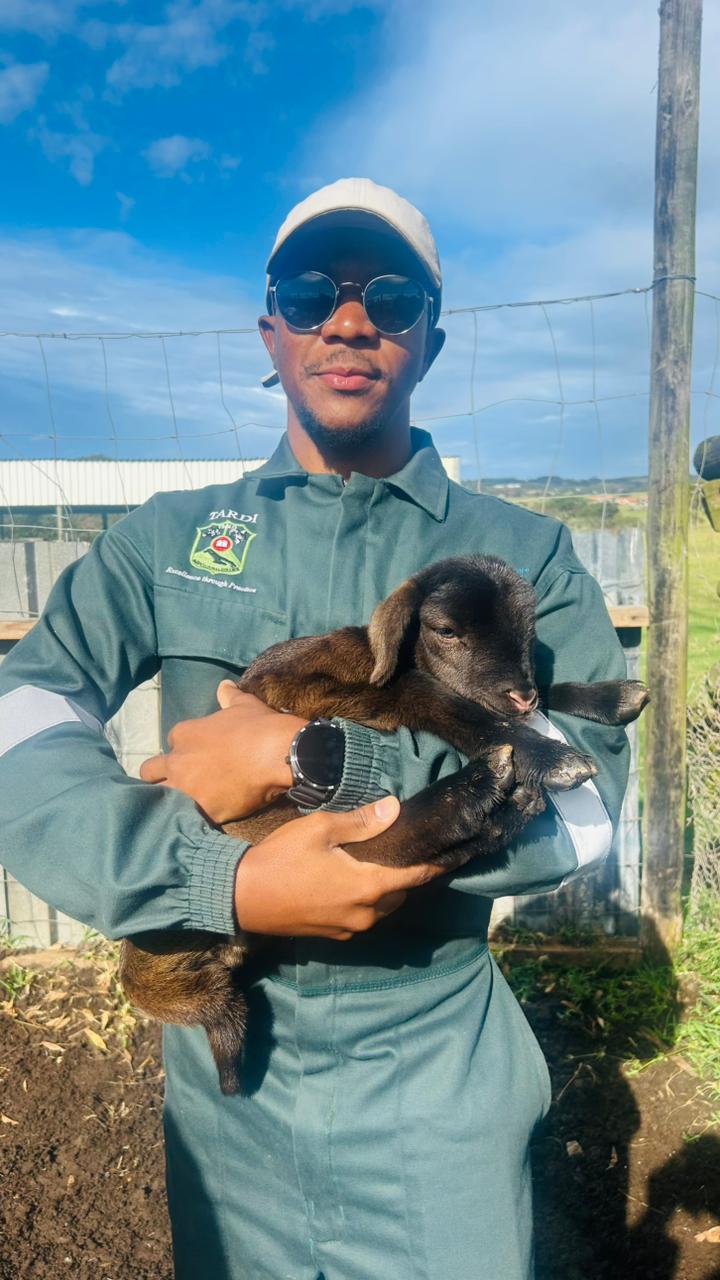
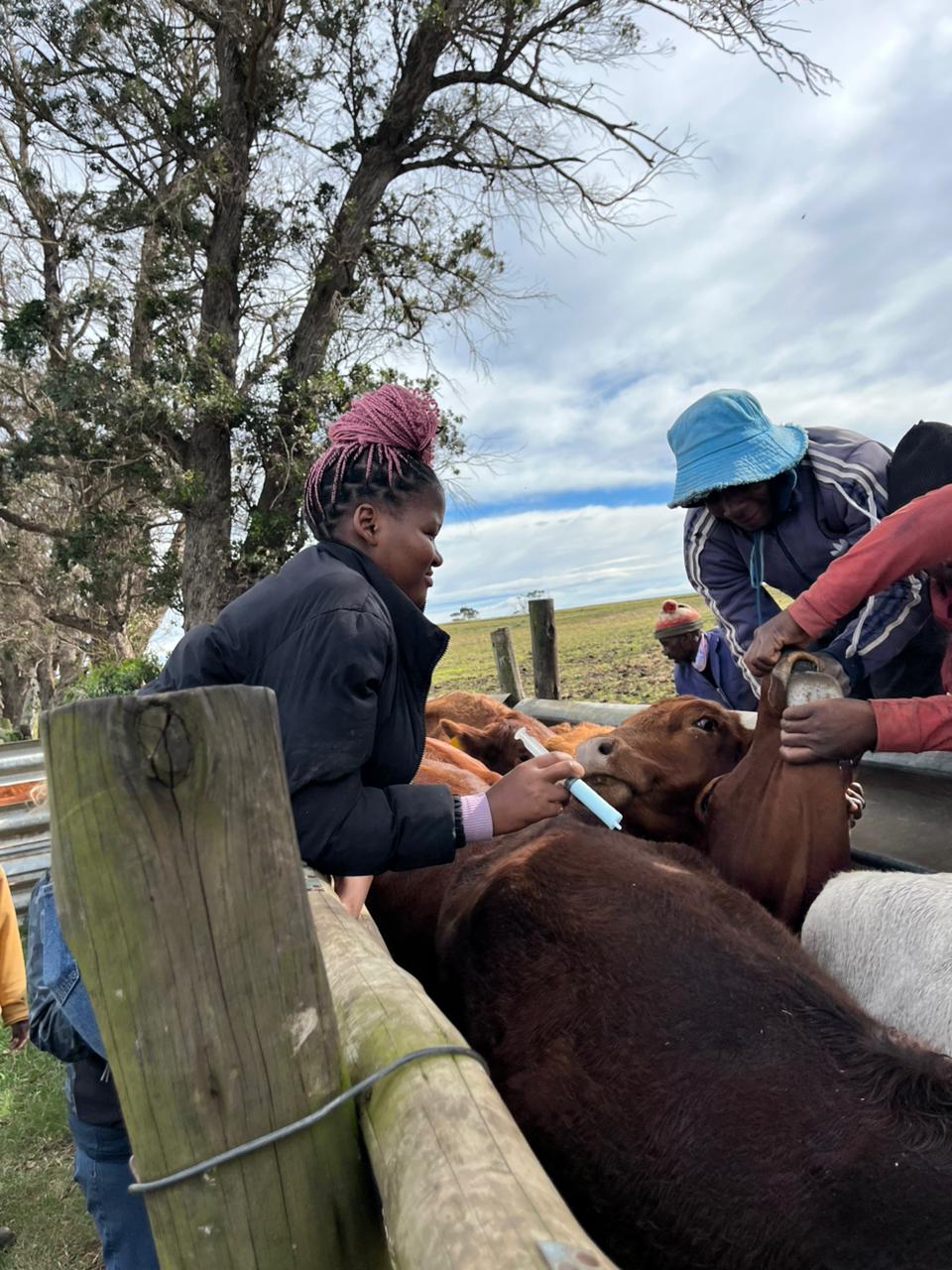
Work alongside local farmers and field staff — bottle-feeding lambs, cattle handling days, and the real routines of livestock care.
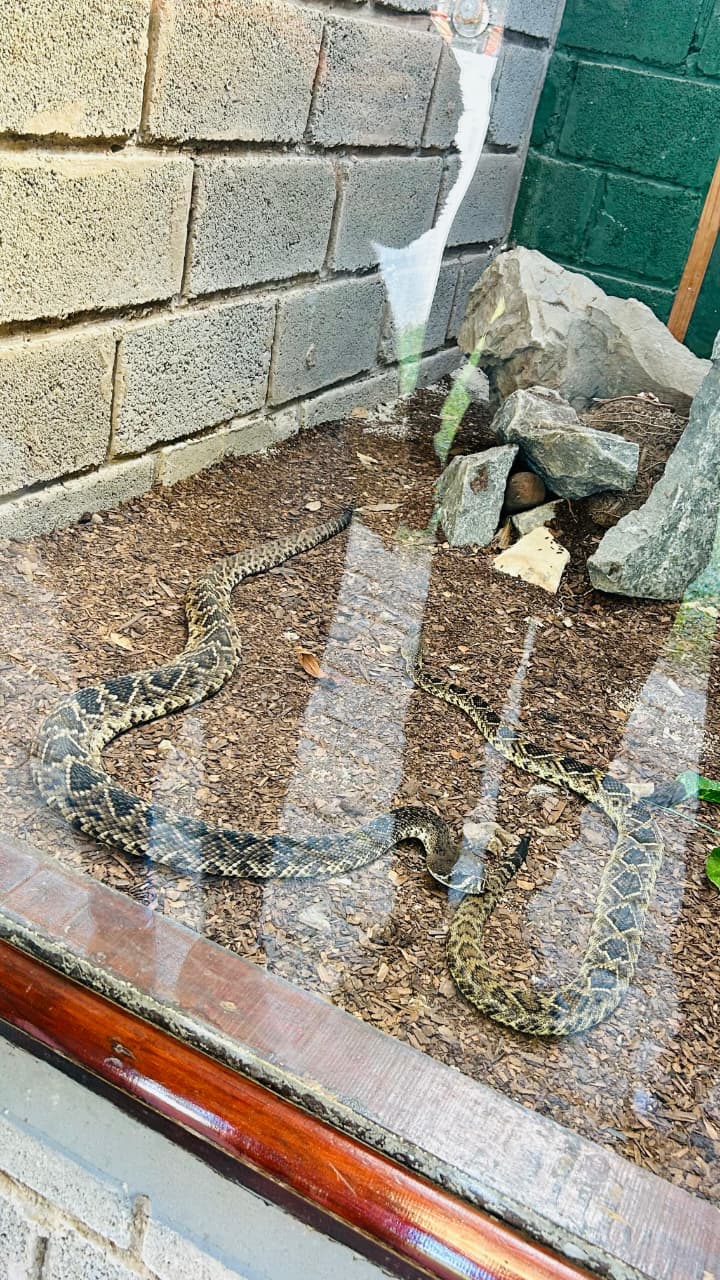
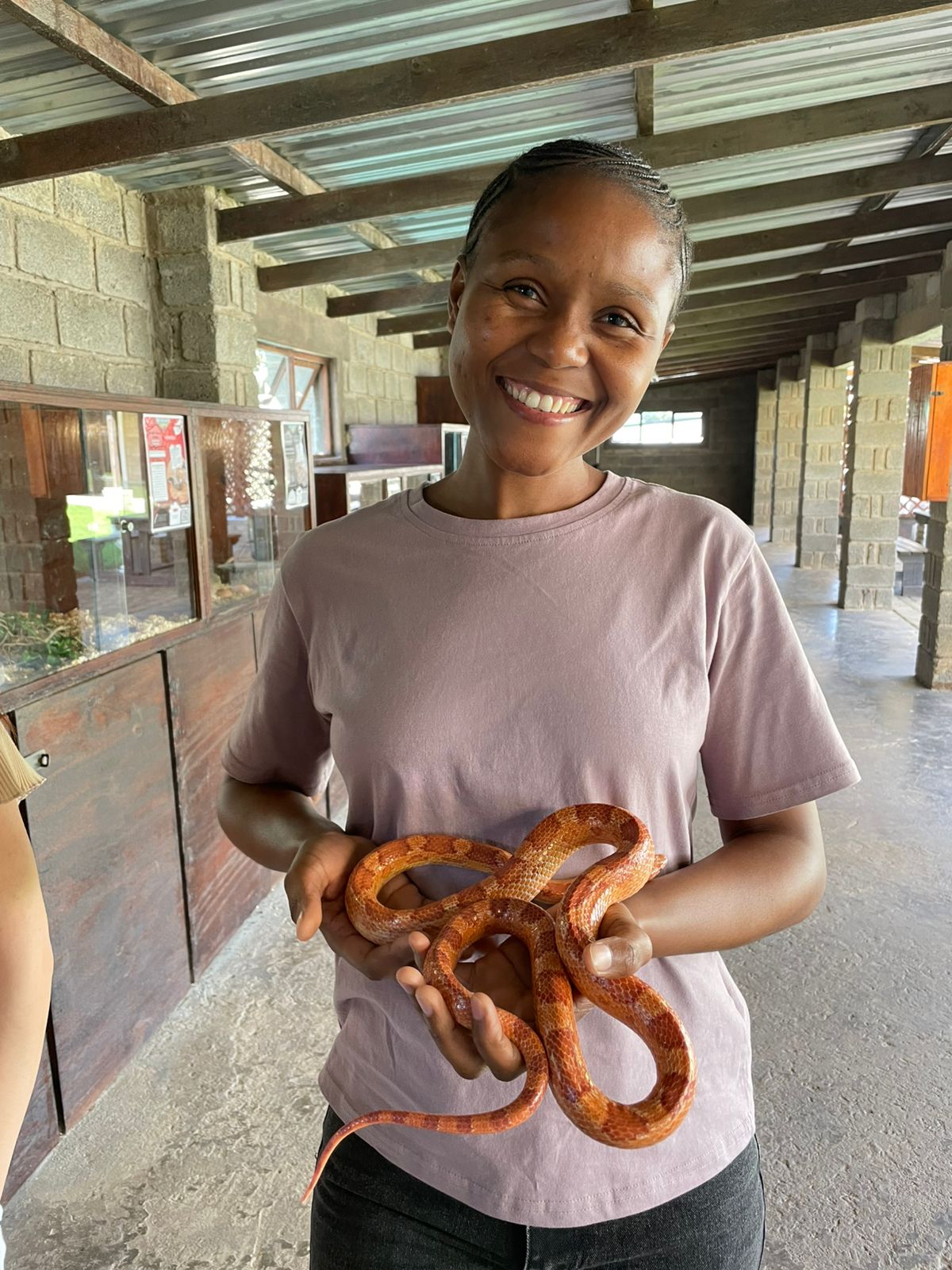
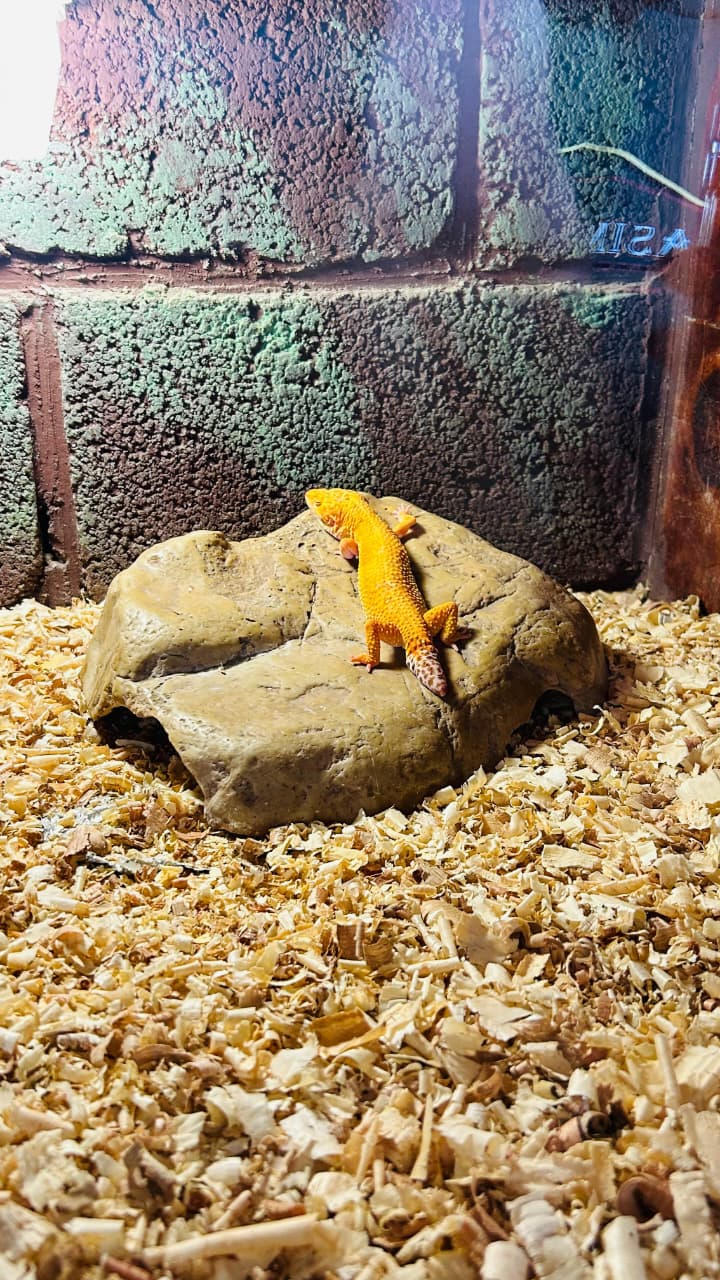
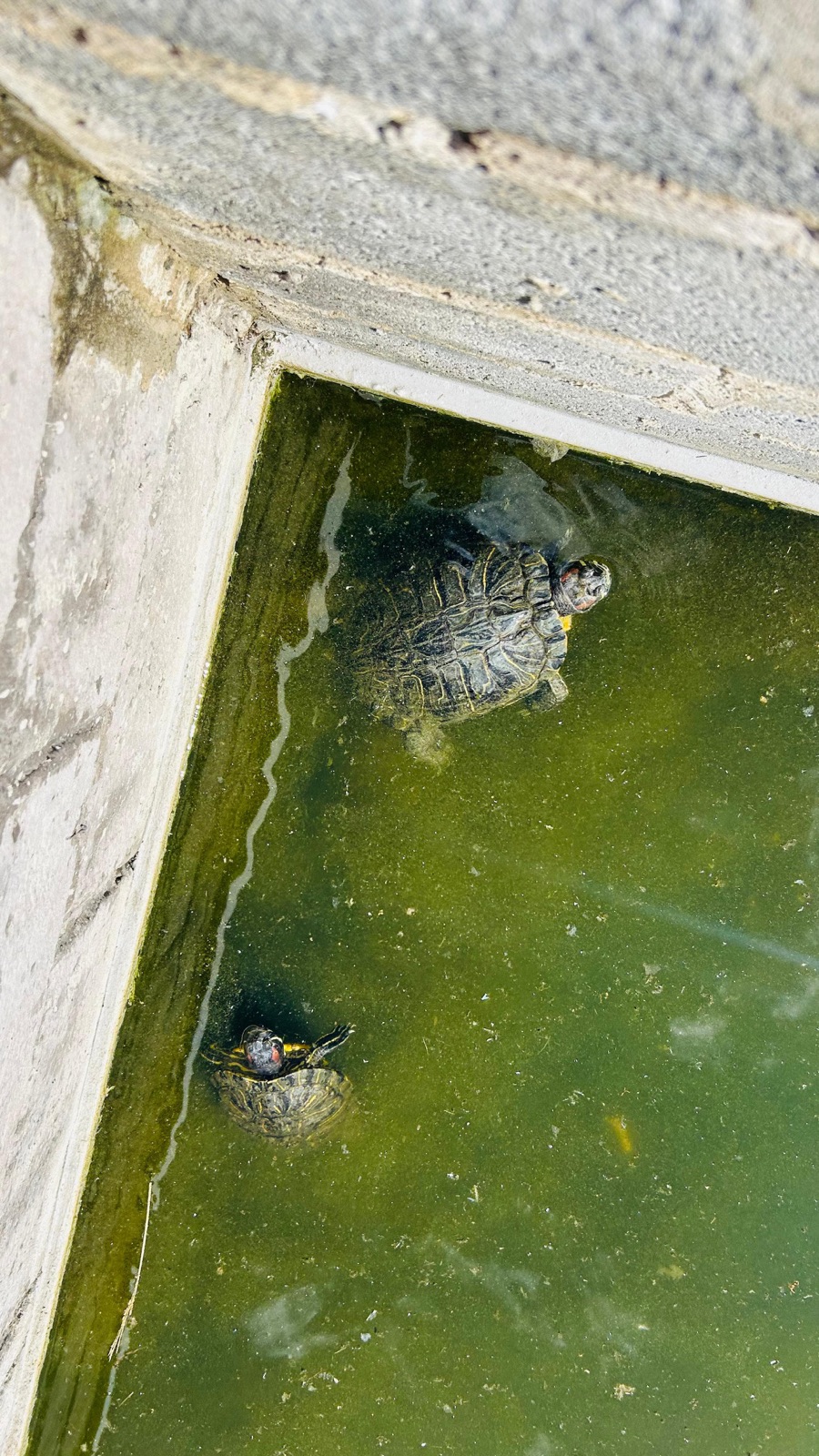
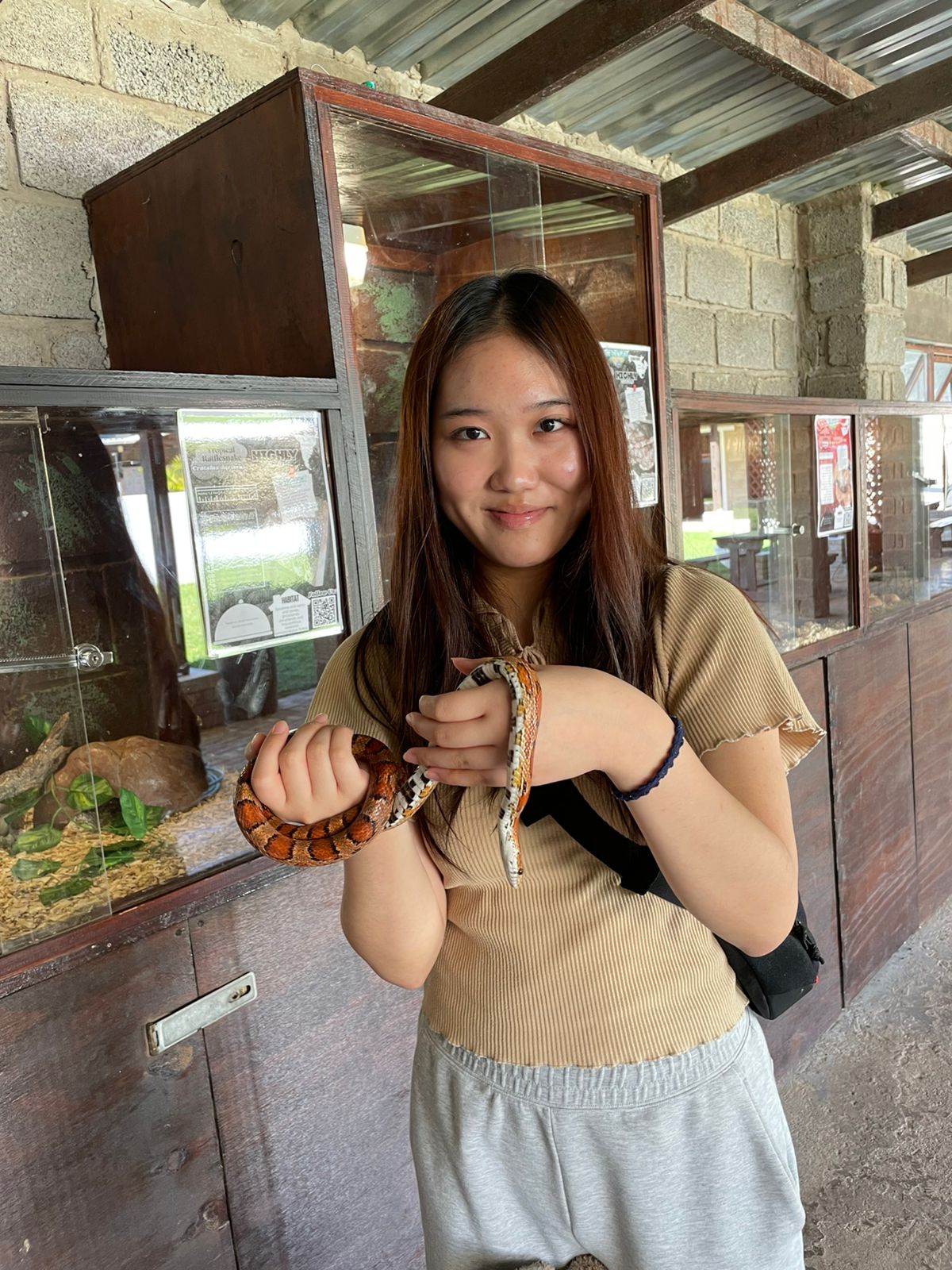
Daily routines at the reptile facility — enclosure care, feeding, and guided handling of snakes, geckos and turtles.
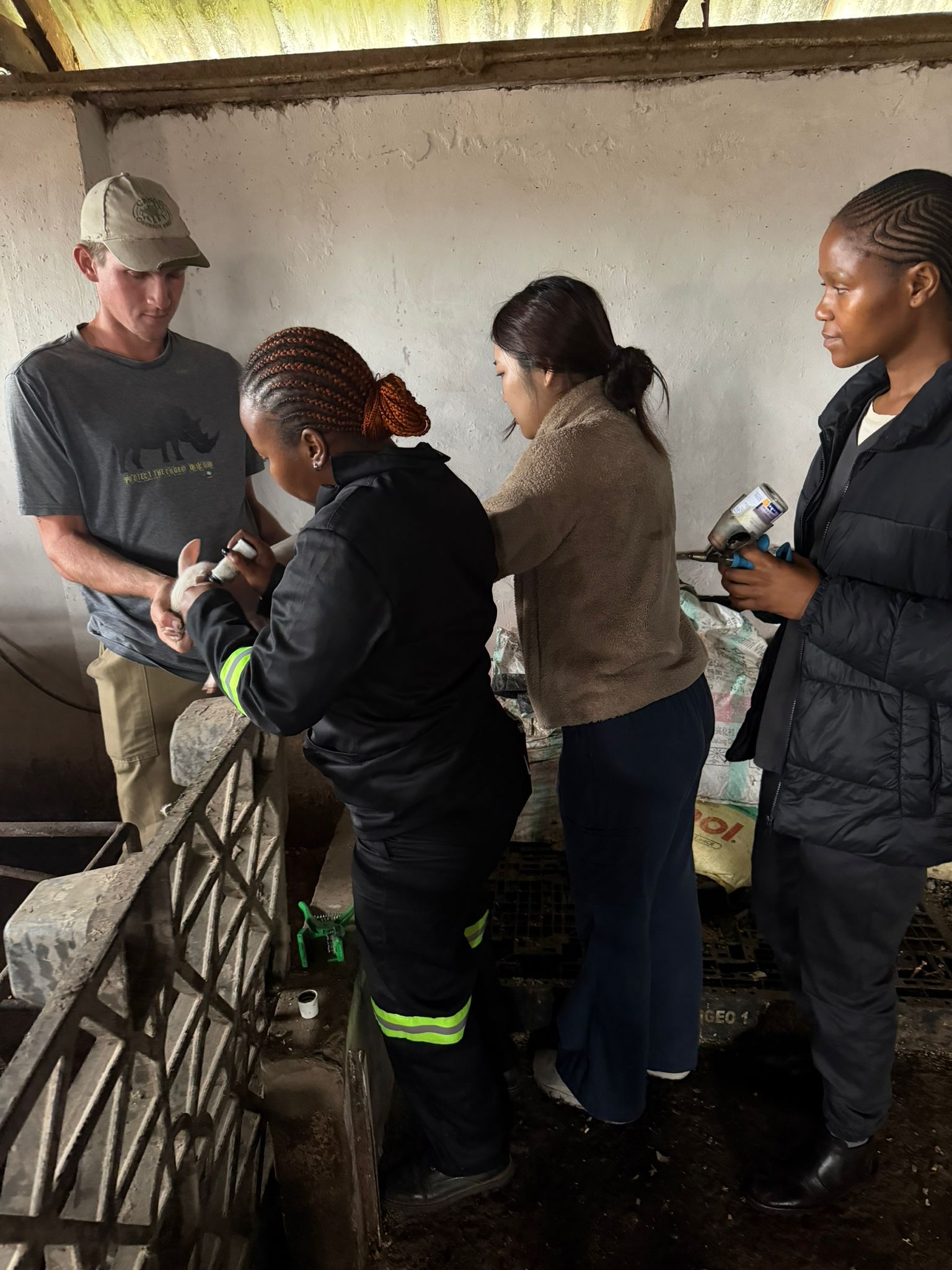
Real work, documented
We don't publish inflated impact numbers. What we can show you is the work itself: supervised field days, animal care logs, and the local operations the programme supports week after week.
The setting
Base life is in Chintsa on South Africa's Wild Coast — beaches, grasslands and coastal forest, a real place with real work in it. Not a lodge bubble.
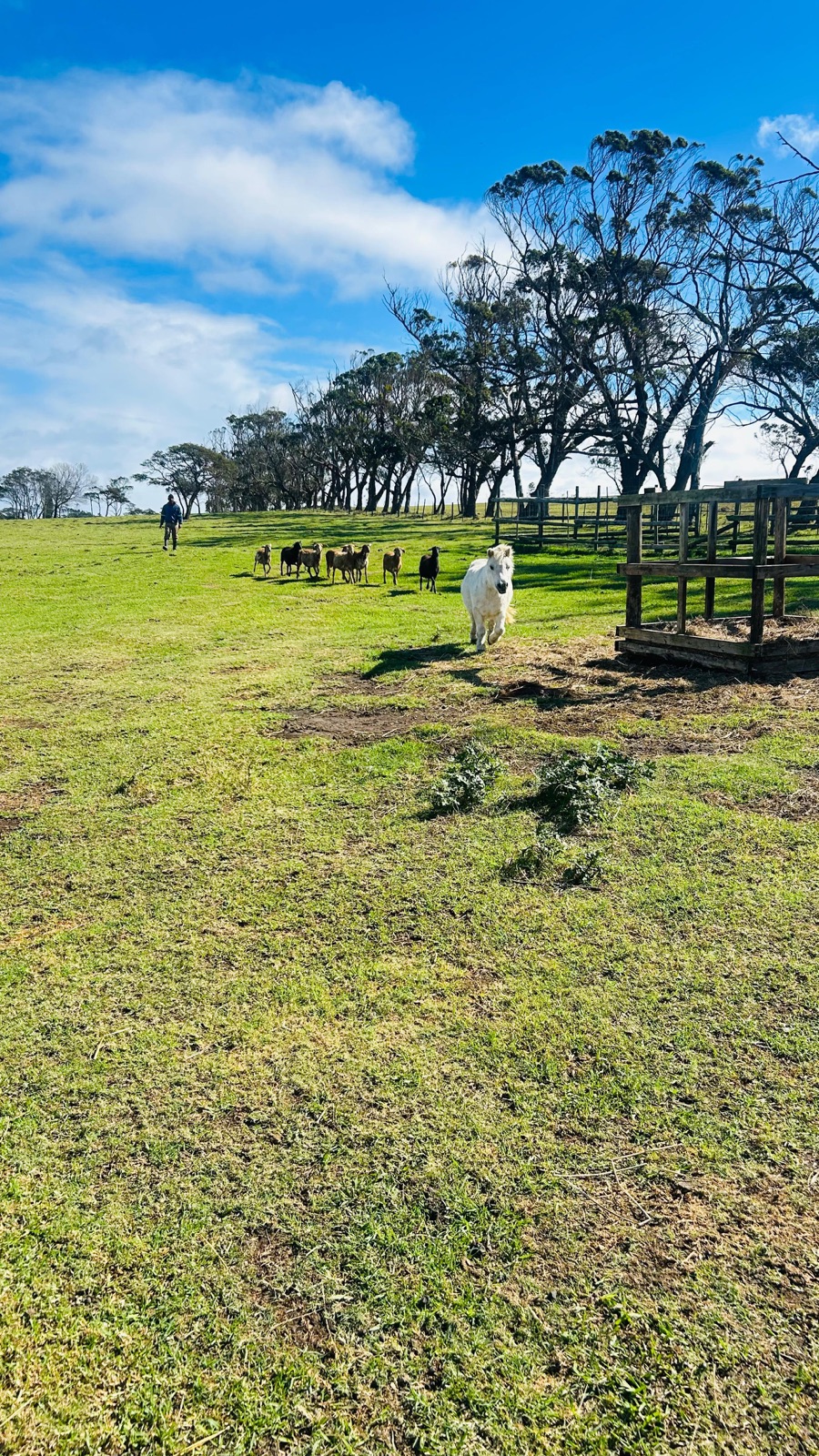
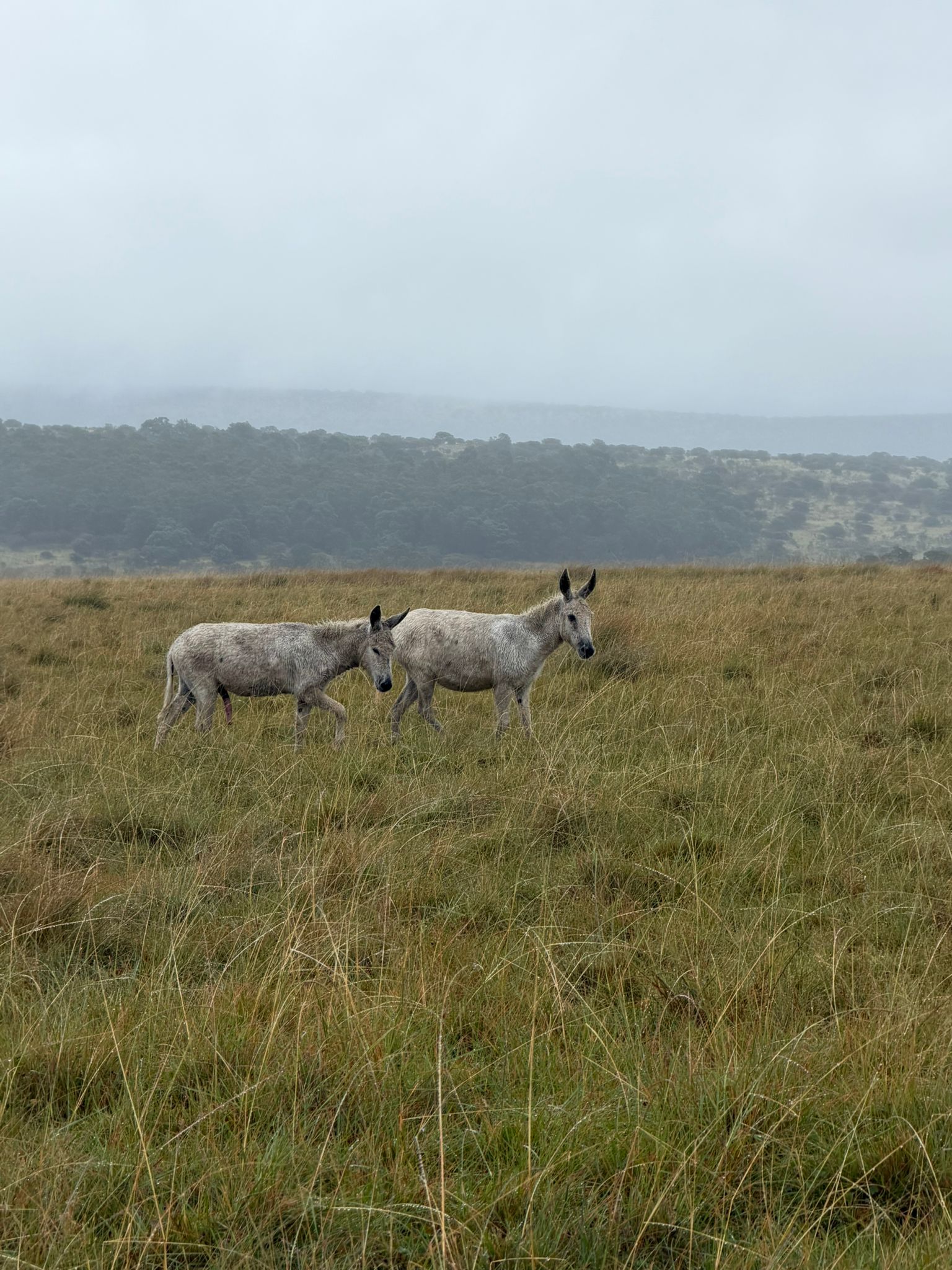
From geckos and snakes to piglets, lambs and donkeys — the animals set the day's work.
Who this is for
Most participants are gap-year students — but the programme is structured, supervised and documented, which is exactly what parents, universities and career-breakers ask about first.
Learning in the field
Every activity starts with a briefing. Programme staff demonstrate handling and care techniques, then guide your participation. It's practical field learning — hands-on exposure in a real animal-care context, not formal veterinary training, and we're clear about that difference.
Places run in small groups on fixed dates. Start with the guide — it covers the programme, the base, safety and how to apply.
Parent? Request the Parent Information Pack · Family with older teens? Book a Family Information Call